Depression in older Adults: How to Recognize the signs and Support Loved Ones
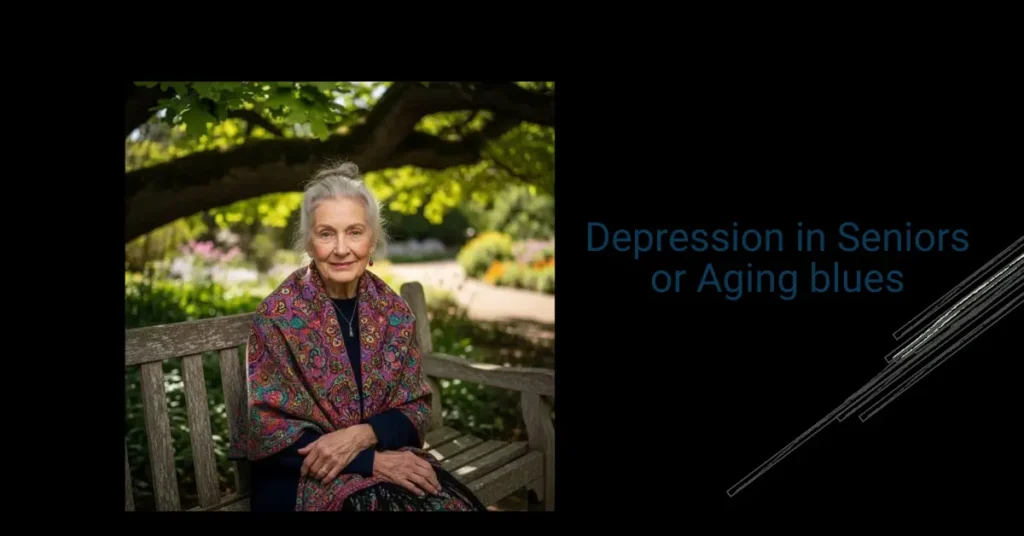
Author: Joyce W. Kinuthia, BSN, RN, PMHNP-Student
Depression in older adults is often mistaken for normal aging or “aging blues.” Depression is a mental health disorder that affects people of all ages. Depression has negative effects on how people feel, reason, behave, and view the world. The outcome of depression is impairment in important aspects of productive daily functioning, resulting in adverse impacts on health, relationships, and critical day-to-day functioning.
Depression in Older Adults
Although mood changes are common among older adults due to experiencing a myriad of difficult life changes such as; losses of loved ones, added health concerns that come with age, living with aches and pains from health conditions, frustrations from reduced ability to be independence, and experiences of financial challenges; Depression among older adults is neither “aging blues” nor a normal part of aging. Contrary to common belief, it is a real and treatable mental health condition that requires medical attention. Think of depression as yet another preventable health issue a loved one must bear.
Unfortunately, depression in older adults is more often than not commonly overlooked and falls under the radar of genuinely caring family members, caregivers, and even the older adult themselves. This is due to the unwitting normalization of Depression in Older adult low moods as just “aging blues”.
How to Recognize that Your Loved One has Depression & not just “aging blues”
Older adults frequently experience Depression in a different way from younger people. Depression in older adults tends to manifest more subtly, or through complaints of physical disquiet. Rather than express feelings of sadness, for example, older adults tend to emphasize complaints of body aches, headaches, digestive issues, or chronic pains whose cause doctors cannot establish, and which do not respond to treatment. Such complaints with no medical cause can serve as useful red flags to help caregivers and family members monitor for common symptoms of Depression.
Signs & Symptoms of Depression
Depression symptoms must reflect a marked change from usual functioning, which causes significant distress, or impairs functioning in social, occupational, or other important areas of life. The symptoms must not be better explained by any existing medical or psychiatric condition, or by the use of intoxicating or mind-altering substances. The symptoms must also be present nearly every day, on most days, in the same 2-week period, or longer. They must include at least five or more of the following symptoms, which must consist of at least one, or both, of the 2 core defining symptoms of depressed mood or loss of pleasure:
Core defining Signs & Symptoms required
- Expressed persistent feelings of depressed mood (such as sadness, emptiness, discouragement, or hopelessness), or through observations of depressed mood by others (such as appearing tearful, neglecting self-care and personal hygiene).
- Expressed or observed patent loss of interest in almost all activities, or loss of pleasure in almost all previously enjoyed activities, such as social withdrawal.
Other Accompanying Symptoms
- Trouble falling asleep, staying asleep, early awakenings, or oversleeping
- A change in appetite, reflecting a decrease or increase in appetite, occurring or observed nearly every day, or weight changes such as gaining or losing significant weight.
- Feeling, or appearing, constantly fatigued or having diminished energy, almost every day.
- Observably feeling restless or slowed down, or a converse slackening in movements or speech, occurring nearly daily.
- Expressed or observed indecisiveness or a reduced ability to think clearly or stay focused.
- Having or expressing recurrent thoughts of death, recurrent ideation of suicide with or without a plan to commit suicide, or attempting a suicide(which only needs to occur once).
- Feeling or expressing worthlessness or inappropriately excessive guilt, almost every day.
Causes And Risk Factors for Depression in Older Adults
Multiple factors usually cause or place older adults at risk for depression. These include:
Medical and Biological Factors
- Having chronic illnesses, pain, discomfort, or frustrating physical limitations.
- Age-related changes in neurochemical or linked vascular aspects of the brain.
- Side effects that result from the use of multiple medications used to treat chronic illnesses.
- Genetic inclination from family history of Depression or other mental illness.
Psychological and Social Factors
- Grief from losses of loved ones, retirement, loneliness from empty nests, diminished or loss of independence, and leaving their homes to move to assisted living set-ups.
- Loneliness from social isolation, which is further exacerbated by frustration from mobility limitations or loss, challenges of transportation, and geographic distances.
- Stress from needing care or burden of caregiving of loved ones, the very fear of aging and its limitations, and worry over financial resources.
Risks Related to Demographics and Life Events
- Lack of a network to provide for emotional support
- Females have a higher risk
- Being elderly, single, divorced, or widowed
- Experiencing incidents of stressful life events
- Amplified vulnerability resulting from mental capacity impairments, such as dementia.
- Age-related sleep disturbances may facilitate the development of depression.
Effective Treatment Options for Depression in Older Adults
Effective treatment options that significantly improve symptoms of Depression in older adults are available. These include:
Medications
- Carefully selected Selective Serotonin Reuptake Inhibitors (SSRIs), which are the first line of treatment of Depression, are well tolerated by older adults when appropriately dosed for age and in consideration of other medications that may be concurrently used.
Psychotherapy
- Cognitive behavioral therapy (CBT), interpersonal, or problem-solving therapies are effective first line forms of talk therapies for the treatment of Depression, which are also the treatment methods preferred by older adults.
Brain Stimulation Treatments
- Treatment methods, such as Electroconvulsive therapy (ECT) or repetitive transcranial magnetic stimulation (rTMS), that are used to treat severe treatment-resistant depression, are well tolerated by older adults.
Combined Approach
- Medications can be combined with talk therapy, which has been found to frequently yield the best outcomes, with success rates averaging about 80%.
Depression Prevention Strategies
While not all depression cases can be prevented, various lifestyle and behavioral strategies can reduce the risks for depression:
- Staying physically active: Just 20 minutes of daily moderate exercise (such as walking) can significantly lower the risk of major Depression by up to 43%.
- Regularly following a nutritious, balanced diet helps maintain mood and energy
- Maintaining a consistent sleep schedule and getting 7–9 hours of sleep per night/night.
- Maintaining regular contact with friends, family, and the community helps reduce isolation.
- Engaging in meaningful activities, such as hobbies and community involvement, such as volunteering, helps to maintain a feeling of purpose and boosts self-esteem.
How to Support a Loved One-Practical Steps & Why They Work
Encourage and Support Medical Help
- Fear of the stigma of mental illness often keeps older adults silent about their struggles.
- Talking to them openly about mental health as a health condition and encouraging medical screening can be effective.
- Offer to organize and attend medical appointments or support groups with them.
Be Present and Engaged
- Share in their activities like walking together,
- Body movements and interpersonal connections boost the mood.
- Reach out to them regularly through visits, phone calls, messages, and other forms of communication.
- Consistency in connection combats isolation and loneliness.
Communication
- Normalize depression by directly asking them about their mood and personal struggles.
- Sharing their struggles eases their mental burden while providing insight into their state of mind/need for intervention.
- Listen to them without judgment.
- This helps them appreciate that they are seen, heard, and supported.
Help with Lifestyle Changes
- Encourage initiation of gentle exercise, assist in planning balanced meals, and discuss healthy sleep habits with them.
Monitor Safety
- Listen and watch for indications of any suicidal ideation and ask directly, without any hesitation, if you have cause for concern.
- If immediate suicide risk is present, call local emergency services or call or text the confidential mental health crisis and suicide hotlines-988 in the U.S (Toll-free Tel: number)
Offering Practical & Emotional Support
- Actions that show care uplift morale. Offer to help with daily routines, giving self-care reminders, day planning, etc.
- Recovery can take time. Be patient and join them through their highs and lows.
Take aways
- Depression in older adults is not aging blues. It is as much a medical condition as other ailments like diabetes, etc.
- It is a treatable and recoverable condition.
- It presents differently in seniors/older adults. Be on the lookout for subtle signs, such as complaints of aches and pains with no medical cause.
- Your alertness, compassion, and dependability in providing support can make a profound difference to the quality of life of your loved one.
Quick Resources for Patients wth Depression
| Service | Contact | Purpose |
|---|---|---|
| 988 Crisis Line | Dial 988 | 24/7 mental health support |
| SAMHSA Helpline | 1-800-662-HELP | Treatment referrals |
| NAMI Helpline | 1-800-950-NAMI | Mental health Support |
Author: Joyce W. Kinuthia, BSN, RN, PMHNP-Student
References
CDC. (2024, September 3). Depression and aging. Healthy Aging. https://www.cdc.gov/healthy-aging/about/depression-aging.html?CDC_AAref_Val=https://www.cdc.gov/aging/olderadultsandhealthyaging/depression-and-aging.html?utm_source=chatgpt.com
National Institute on Aging. (2025, February 5). Depression and older adults.
https://www.nia.nih.gov/health/mental-and-emotional-health/depression-and-older-adults
SAMHSA. (n.d.). Additional resources for older adults.
https://www.samhsa.gov/communities/older-adults/resources