988 Suicide & Crisis Lifeline
Author: Shanila Huerta, Morehouse School of Medicine PA-S
The United States launched 988, a simple, three-digit number that connects people with the Suicide & Crisis Lifeline to address a critical need for people experiencing mental health crises. Every year, millions of Americans experience suicidal thoughts or severe emotional distress. In the past, finding immediate help was not always easy, and many people turned to 911 even though it was not designed for mental health crises. Today, this lifeline provides dedicated support, ensuring that anyone in crisis has a place to turn for timely mental health assistance.
Since its launch in July 2022, this lifeline has already answered more than 13 million calls, texts, and chats from people in distress across the United States and its territories. This blog aims to educate patients and their families about how 988 works and how it can save lives.1
What Is 988?
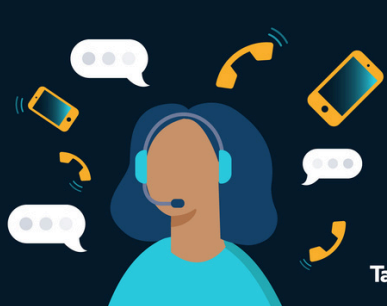
The 988 Suicide & Crisis Lifeline is a free, confidential service available 24/7. It connects individuals in suicidal crisis, substance use crisis, or emotional distress with trained crisis counselors. Unlike 911, which sends emergency responders, 988 is focused on listening, de-escalation, and connecting people to mental health resources.
- Available by call, text, or chat
- Accessible in 200+ languages
- Specialized services for people who are Deaf or Hard of Hearing
- Operated by a national network of 200+ local crisis centers
What Happens When You Call or Text this Lifeline?
Many people are unsure what to expect. Here’s how it works:
- Connection: Your call is routed to the nearest crisis center.
- Support: A trained counselor answers, listens, and provides emotional support.
- Safety Planning: If you are at risk of self-harm, the counselor will help create a safety plan.
- Resources: They can connect you with local mental health providers or support groups.
- Follow-Up: Some centers call back later to check in and provide ongoing support.2,3
Importantly, most crises are resolved over the phone without the need for police or emergency responders.3
Law enforcement is ONLY contacted when necessary to keep someone safe.
A Brief History of the Lifeline
The lifeline started in 2005 as the National Suicide Prevention Lifeline (NSPL), originally reached by dialing 1-800-273-TALK. In its first year, the service answered about 20,000 calls.1
By 2018, the network grew to handle 2.2 million calls annually across 170 crisis centers. Recognizing the need for a simpler number, Congress passed the National Suicide Hotline Designation Act of 2020, which created the three-digit number 988. This number was officially launched in July 2022.2,3
New Features and Improvements
Since becoming 988, the Lifeline has introduced several improvements:

- Spanish text and chat services launched in 2023
- Videophone option for the Deaf/Hard of Hearing community since 2023
- Georouting was introduced in 2024 to route calls by a caller’s real location instead of just the area code
Why 988 Matters
The numbers speak for themselves: since its launch, the lifeline has answered 13 million+ contacts, most in under a minute. Evaluations show that people feel less suicidal, less depressed, and more hopeful after speaking with a 988 counselor 1,2
For patients and families, this lifeline provides peace of mind — a simple number to call when life feels overwhelming.
Warning Signs: When to Call 988
Patients and families should reach out to this lifeline if they notice:
- Talking about wanting to die or feeling hopeless
- Withdrawing from family and friends
- Sudden mood changes or increased anxiety
- Giving away possessions or saying goodbye
- Risky or reckless behavior
Tips for Families and Caregivers
- Save 988 in your phone — treat it like 911 for mental health.
- Start conversations early — normalize talking about emotions and struggles.
- Stay involved — check in with loved ones after they call 988.
- Remove means of self-harm — keep medications, firearms, or sharp objects secure when someone is at risk.
Breaking Stigma
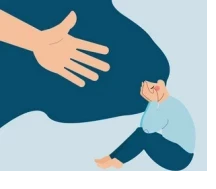
Stigma is one of the biggest barriers to seeking help. Myths such as “calling 988 means you’ll be hospitalized” or “only people with suicidal thoughts should call” are harmful. The truth is that:
- Most crises are handled by phone without involving hospitals.
- Anyone in distress — not only those with suicidal thoughts — can use this lifeline.
- Reaching out is a sign of courage and strength.
Practical Resources
- Call or Text: 988
- Chat Online: 988Lifeline.org
- Learn More: SAMHSA 988 Resources
Conclusion & Takeaway Message
The 988 Suicide & Crisis Lifeline is transforming how the U.S. responds to mental health and suicide crises. With its free, confidential, and immediate support, it is saving lives every day.
Takeaway: Save 988 in your phone. Please share it with your family. Remember that hope and help are only three digits away.
Author: Shanila Huerta, Morehouse School of Medicine PA-S
References
988 Suicide & Crisis Lifeline. About the Lifeline. 988Lifeline.org. Accessed September 14, 2025. https://988lifeline.org/about/
Substance Abuse and Mental Health Services Administration. 988 Suicide & Crisis Lifeline. SAMHSA. Accessed September 14, 2025. https://www.samhsa.gov/mental-health/988
Substance Abuse and Mental Health Services Administration. 988 Fact Sheet. SAMHSA. Accessed September 14, 2025. https://www.samhsa.gov/resource/988/988-fact-sheet
Centers for Disease Control and Prevention. Facts about suicide. CDC. Updated May 16, 2024. Accessed September 14, 2025.