8 Ways to Support a Loved One in Recovery From Alcohol Use Disorder
Author: Raquel Harvey, BSN, RN, PMHNP Student
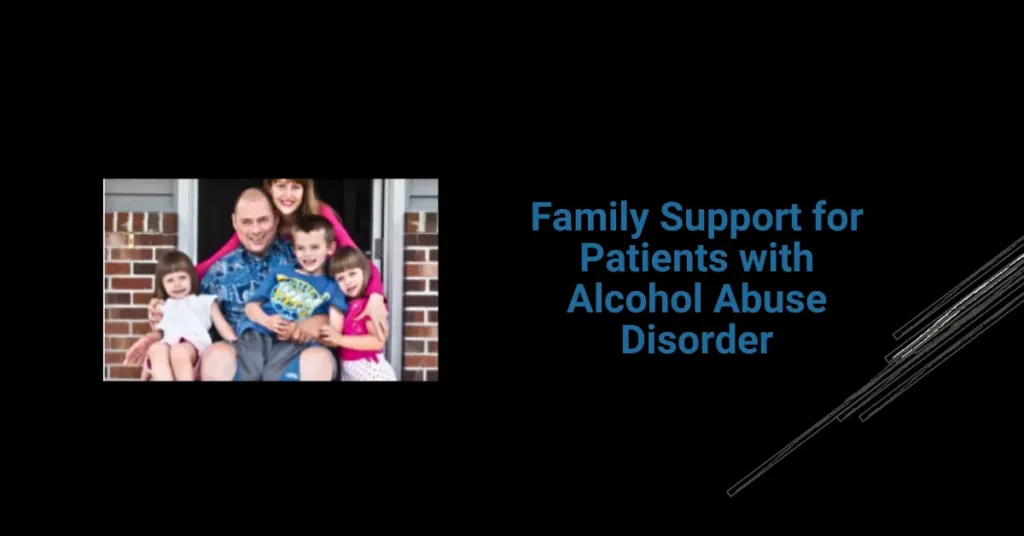
September is National Recovery Month. During this time, several efforts are made to raise awareness about substance use disorders, including alcohol use disorder. The importance of treatment, recovery, and community support is highlighted. For many families, watching a loved one struggle with alcohol use disorder (AUD) can feel overwhelming. Recovery is a journey that involves the person with the disorder as well as the family. Recovery does not happen overnight; it is an ongoing process that may include therapy, medications, support groups, and lifestyle changes. Family members play a vital role in creating a safe and encouraging environment that fosters sustained recovery. Supporting your loved one can provide short- and long-term sobriety.
Let’s talk about some ways families can help a loved one recovering from AUD while also taking care of themselves.
What is Alcohol Use Disorder
Alcohol Use Disorder is a medical condition characterized by an impaired ability to stop or control alcohol use despite negative social, occupational, or health consequences. Alcohol use disorder can be mild, moderate, or severe based on symptoms in the past 12 months.
How to Support a Loved One in Alcohol Use Disorder Recovery
Learn About the Condition
Take the time to learn what AUD is, so that you have an idea of what your loved one may be experiencing. It is important to understand that addiction is a chronic brain disease that makes it difficult to stop drinking. But prolonged abstinence caused by AUD can improve decreased brain function. Knowing that this is a medical condition helps reduce stigma and blame. It is essential to learn about triggers, relapse risks, and coping strategies so that you are better equipped to offer meaningful support.
- Visit trusted resources such as the National Institute on Alcohol Abuse and Alcoholism (NIAAA) or SAMHSA to gain reliable information.
Healthy Communication
Working with a family member in recovery can bring up strong emotions, including frustration, guilt, and fear. Families must communicate in an open, respectful, and nonjudgmental manner. Avoid blaming or lecturing the person in recovery. Use “I” statements, such as “I feel worried when I see you struggling,” rather than “You” statements, such as “You are always drinking”.
- Schedule regular check-ins throughout the course of treatment, allowing everyone to share their feelings and concerns.
Professional Treatment
Evidence-based care is one of the most successful ways to achieve recovery. Evidence-based care may include Support groups like Alcoholics Anonymous (AA) or SMART Recovery. Behavioral therapies (like cognitive-behavioral therapy) to build coping skills. Medication-assisted treatment (such as naltrexone or acamprosate) to reduce cravings.
If your loved one resists treatment, consider consulting a licensed therapist or counselor for advice on how to approach the conversation. Family members can gently encourage treatment and attend therapy sessions when they are invited.
Healthy Boundaries
You can support your loved one in recovery while setting boundaries to protect yourself and the individual who is recovering. This could mean not providing alcohol, not allowing the family member to drink in your home. Also, set limits on how involved you are to protect your own mental and emotional health. Schedule time for your own hobbies, friendships, and therapy if needed. Caring for yourself sets a positive example and strengthens your ability to provide support
Sober-Friendly Environment
Invite your loved one to alcohol free environments. Keep them engaged in fun activities that do not involve alcohol. When you are at home, please provide them with non-alcoholic beverages. Remind them that good times can be had even when no alcohol is involved.
Self-Care and Wellness
Recovery is not only about avoiding alcohol. It’s also about building a fulfilling, healthy life. Encourage your family member to practice self-care. Remind them to get restful sleep, exercise, and eat healthily. You can even join them in incorporating activities such as yoga, mindfulness, and journaling into the daily routine.
- Family exercise activities are not only good for the person in recovery. It provides the family with an opportunity to spend time together and helps each member maintain a healthier lifestyle.
Allow Your Loved One to Control the Process
Encourage participation in treatment, therapy, or support groups, but avoid pressuring individuals to do so. Allow the family member to make decisions surrounding care. Be there to support them.
Patience is a Key Factor in Recovery. It is an Ongoing Process
Recovery is typically an ongoing process that may encounter some setbacks. When your loved one has a relapse, remember it is not only discouraging for you but discouraging for them. Remind them that this does not mean they have failed. Your response should convey compassion, encouragement to re-engagement in treatment, and a reminder that recovery is still possible.
Conclusion
Supporting a loved one through recovery from alcohol use disorder can be both demanding and deeply meaningful. Families who take the time to learn about the condition, establish healthy boundaries, encourage professional treatment, and foster open communication can play a pivotal role in promoting long-term healing. Equally important, family members must prioritize their own well-being to sustain their ability to provide support. Recovery is not an individual challenge it is a shared process marked by resilience, personal growth, and renewed hope.
Resources for Families
- SAMHSA National Helpline: 1-800-662-HELP (4357)
- Alcoholics Anonymous (AA): www.aa.org
- Al-Anon Family Groups: www.al-anon.org
- NIAAA Alcohol Treatment Navigator: https://alcoholtreatment.niaaa.nih.gov
Author: Raquel Harvey, BSN, RN, PMHNP Student
REFERENCES
Birkeland, B., Weimand, B., Ruud, T., Maybery, D., & Vederhus, J. (2021). Perceived family cohesion, social support, and quality of life in patients undergoing treatment for substance use disorders compared with patients with mental and physical disorders. Addiction Science & Clinical Practice, 16(1). https://doi.org/10.1186/s13722-021-00252-8
National Institute on Alcohol Abuse and Alcoholism. (n.d.). National Institute on Alcohol Abuse and Alcoholism. U.S. Department of Health and Human Services. https://www.niaaa.nih.gov/
Rushton, C., Kelly, P. J., Raftery, D., Beck, A., & Larance, B. (2023). The effectiveness of psychosocial interventions for family members impacted by another’s substance use: A systematic review and meta-analysis. Drug and alcohol review, 42(4), 960–977. https://doi.org/10.1111/dar.13607